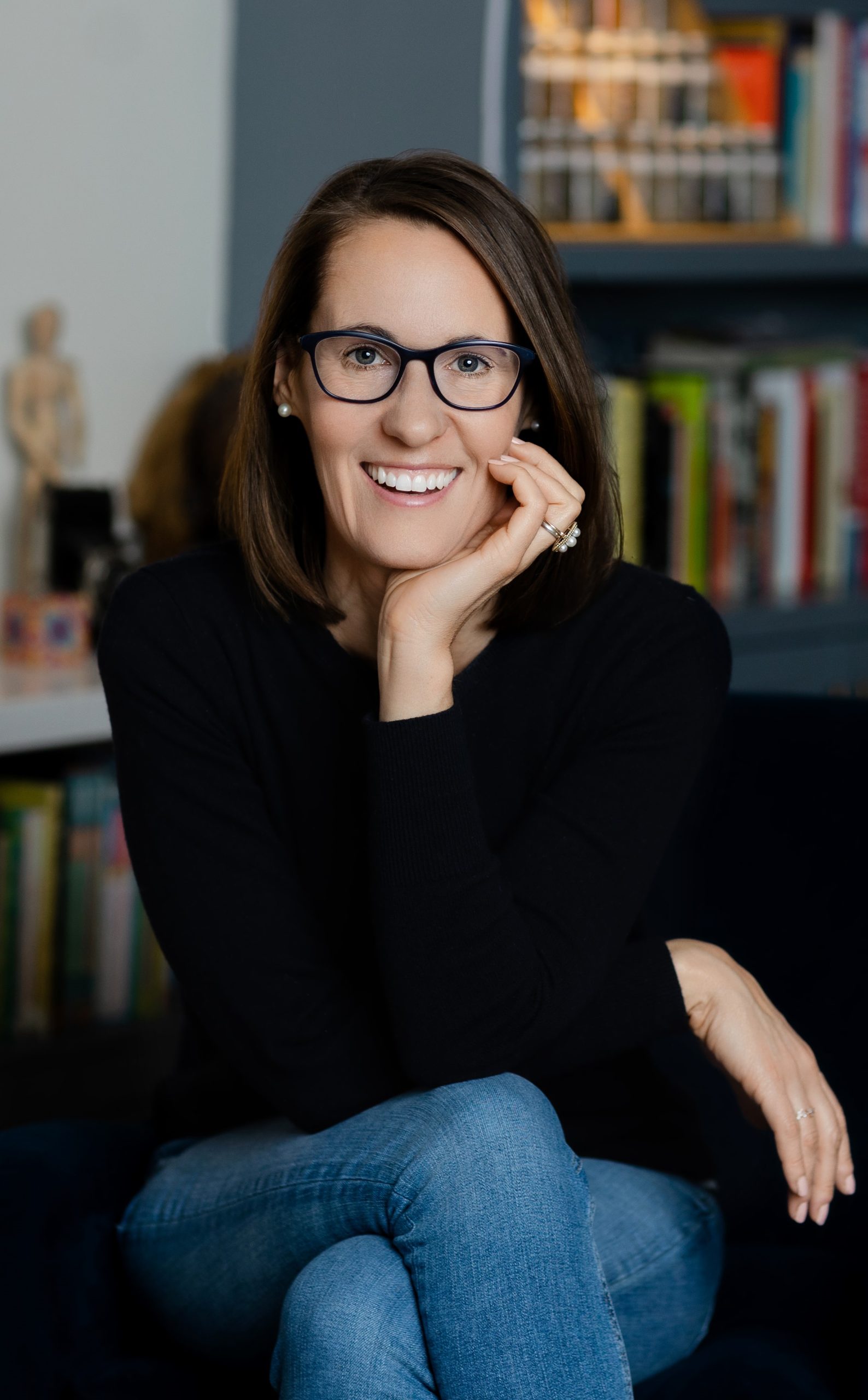
Parents often feel responsible for keeping their kids “on track.” But in the process, we can overlook what really drives learning: confidence, motivation, and connection.
After more than a decade of helping families through elementary homework meltdowns, high-school burnout, and the college-application whirlwind, Dr. P says the most successful students share a few key habits—and calm, supportive parents who model perspective along the way.
Strong academic habits start long before high school.
Dr. P encourages parents to focus on daily routines, reading, and basic skills—not letter grades. “Before your child can read, read to them. Once they can, encourage just fifteen minutes a day of anything they love—even Percy Jackson. The point is that they’re reading.”
On the math side, she says mastery of the basics builds confidence and frees up what she calls “brain battery” for problem-solving later.
These habits—reading for fun and knowing math facts cold—lay the groundwork for success years later on standardized tests and in college-level classes.
“The students who thrive aren’t the ones who never make mistakes,” she says. “They’re the ones who know how to recover from them.”
When teens hit 10th or 11th grade, the pressure ramps up.
Parents see it. Teachers feel it. And kids often internalize it.
“I had a ninth-grader once ask me, ‘How do I not go to bed at 2 a.m. every night?’” Dr. P recalls. “I told her, the most important thing for you right now is to get at least eight hours of sleep. Most teens need closer to nine.”
When it comes to heavy course loads, she recommends no more than four AP classes a year—ideally spread over junior and senior years—and reminds families that grades are only one piece of the puzzle.
“If an AP course drops you into the C range, it’s not worth the stress. B’s are fine. Mental health and self-esteem matter more than transcripts.”
She also warns that parents’ anxiety can feed their teens’ stress. “Kids can sense when you’re emotionally invested in their scores,” she says. “Your calm is what helps them stay grounded.”
After the pandemic, many colleges temporarily dropped standardized-test requirements—but some elite schools, like MIT and Georgetown, have reinstated them.
Dr. P encourages families to stay informed and approach testing strategically. “Grade inflation is real,” she says. “The SAT or ACT can reveal gaps in algebra or trig that grades sometimes hide.”
Her advice:
And remember that test scores are just one piece of a holistic application. “A 1420 might not look perfect on paper,” she says, “but when paired with strong AP scores and a creative essay, it tells a fuller story of a capable, motivated student.”
When it comes to college essays, Dr. P is clear: authenticity beats perfection every time.
“Every great essay has a North Star—one or two adjectives that describe the student. Maybe it’s ‘resilient’ or ‘curious.’ If you try to show you’re resilient and creative and hardworking and empathetic, you’re doing too much.”
She also urges parents to step back. “Essays are emotional,” she explains. “Teens are pouring their hearts out. They need support, not editing.”
Instead of rewriting, parents can offer gentle encouragement:
“Say, I love how you opened this or That anecdote really shows your personality. Start with what works—that helps them grow instead of shutting down.”
For families who want structured help, Dr. P suggests exploring online resources like Crimson Coaching’s YouTube channel or The College Essay Guy.
At the heart of Dr. P’s philosophy is a simple truth: our job isn’t to manage our kids’ education—it’s to guide them toward independence.
“Let them fail early and often,” she says. “If your kid forgets homework on the printer, don’t drive it up to school. In college, no one’s running to the dorm with their assignment.”
She also believes in letting kids follow their interests—even if they’re unexpected. “If your child hates fencing, don’t sign them up because you heard colleges like fencers,” she says. “Let them find the activity they actually enjoy. When they’re genuinely curious, they’ll shine.”
Ultimately, Dr. P wants parents to raise lifelong learners who see challenges as opportunities—not verdicts.
“When kids feel supported, not managed, they surprise you,” she says.
As a mom, I left our conversation reminded that my job isn’t to perfect my kids’ paths—it’s to create the conditions where they can find their own rhythm, curiosity, and confidence.
To learn more about Dr. Dominique Padurano and Crimson Coaching, visit crimsoncoaching.com or connect on Instagram @crimsoncoaching.